Rafael Günther · 18 October 2026
New Regional Investments Target Vocational Training Expansion in Poland
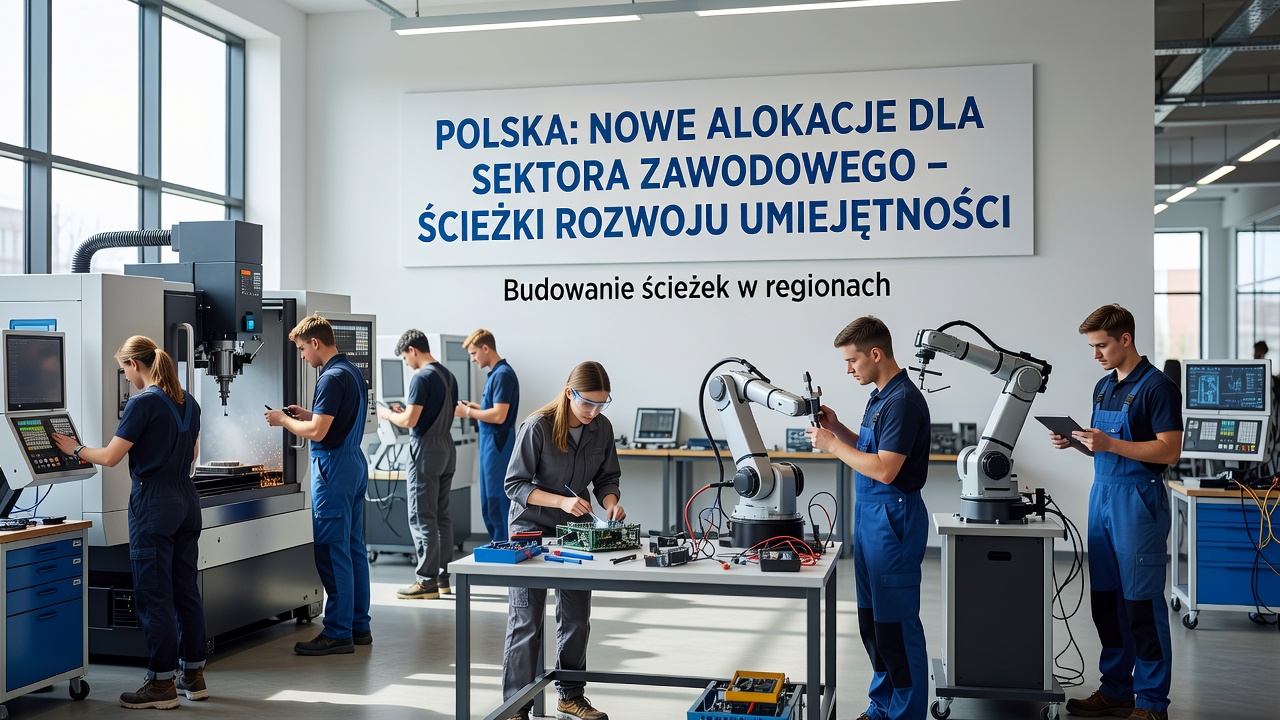
Poland has directed fresh funding toward vocational education programs designed to strengthen skill development in multiple regions, with allocations supporting pathways that connect training centers, local employers, and educational institutions. These resources focus on expanding access to practical training in fields such as manufacturing, logistics, healthcare support, and digital technologies, while addressing regional labor market needs through coordinated initiatives.
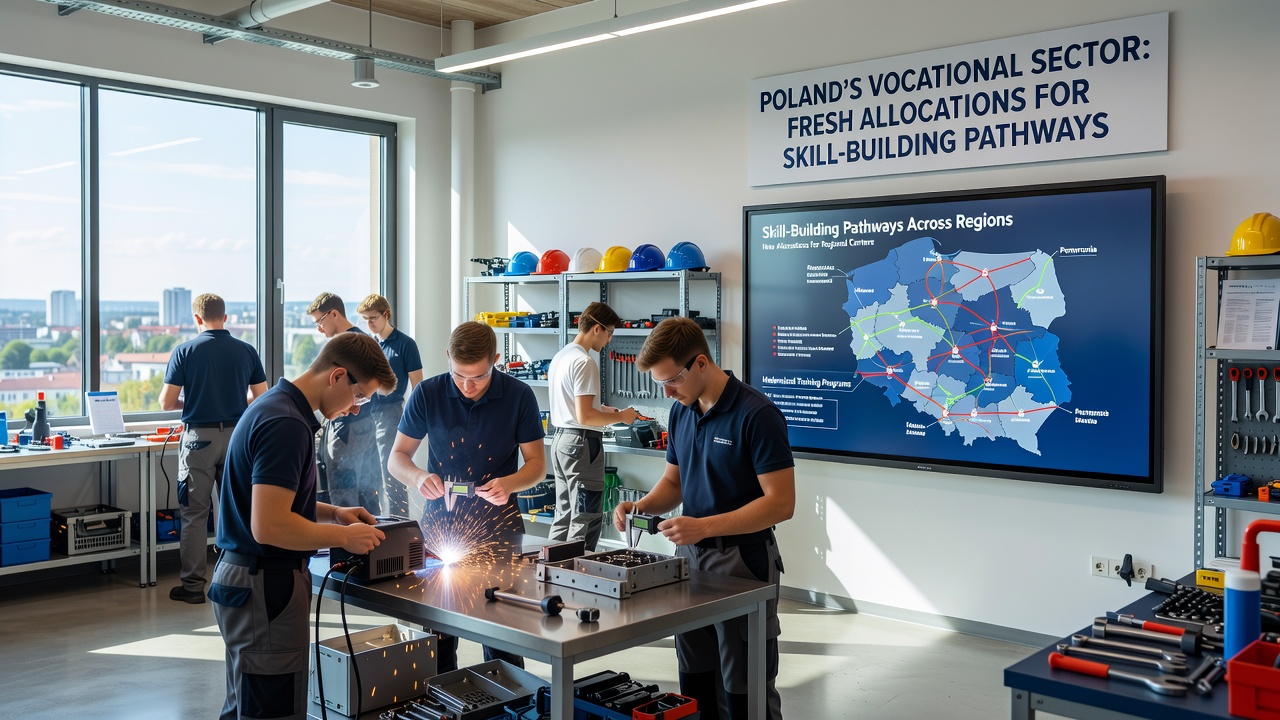
Data from the Polish Ministry of Education and Science indicate that the new round of support builds on earlier frameworks established under national development plans, with particular emphasis on areas outside major urban centers. Regions including Lesser Poland, Silesia, and Pomerania have received designated portions that enable upgrades to workshop facilities, curriculum alignment with industry standards, and instructor professional development sessions scheduled through late 2026.
Allocation Details and Regional Distribution
Observers note that the funding mechanism prioritizes measurable outcomes such as certification rates and employment placement statistics, drawing on models already tested in pilot programs during 2024 and 2025. One study from the European Centre for the Development of Vocational Training highlighted how similar investments in Central European countries produced steady increases in participation among adults aged 25 to 44, and Polish authorities have incorporated those findings into current planning.
Allocations announced for rollout in October 2026 will channel resources into mobile training units that serve rural communities, partnerships between vocational schools and regional enterprises, and digital platforms that track learner progress across districts. These components aim to reduce disparities in access that have persisted between western and eastern parts of the country.
What's notable is the integration of modular course structures that allow participants to accumulate credentials over time rather than committing to full-time programs. This approach aligns with labor market demands that often require workers to update specific competencies without leaving employment, and it draws on frameworks promoted by the Organisation for Economic Co-operation and Development in recent skills outlook reports.
Implementation Timeline and Expected Outcomes
Implementation begins with needs assessments conducted by regional education boards in coordination with statistical offices, followed by procurement of equipment and recruitment of additional trainers. Figures released by the European Commission show that Poland has consistently directed a growing share of cohesion policy resources toward human capital development, and the current vocational sector measures continue that trajectory.
Take one initiative in the Mazovian region where authorities paired funding with a program that links secondary vocational students directly to apprenticeship placements in automotive supply chains, resulting in documented improvements in completion rates according to local monitoring reports. Similar patterns appear in other areas where industry associations have contributed input on curriculum content.
Additional elements include language support modules for participants from migrant backgrounds and targeted outreach to increase enrollment among women in technical trades. These steps reflect broader demographic trends tracked by national statistics agencies, which project continued shifts in workforce composition through the end of the decade.
Partnerships and Monitoring Mechanisms
Monitoring occurs through standardized reporting requirements tied to disbursement schedules, with independent evaluations commissioned at regular intervals. Sources such as the Polish Agency for Enterprise Development maintain public dashboards that display aggregate progress indicators, allowing stakeholders to review participation numbers and skill acquisition metrics by region.
Researchers at several universities have begun longitudinal studies that follow cohorts of participants to assess long-term earnings and career mobility, building on earlier work published in academic journals focused on education policy in post-transition economies. These studies complement government data and provide additional context on how regional differences influence outcomes.
Conclusion
The current wave of allocations demonstrates continued commitment to vocational pathways that span Poland's diverse regions, supported by structured planning and inter-institutional cooperation. As October 2026 approaches, implementation milestones will offer further data on how these investments translate into expanded training opportunities and strengthened regional labor markets.