Rafael Günther · 1 November 2026
Poland Refines Funding Allocations and Entry Procedures to Narrow Educational Gaps in Rural Regions
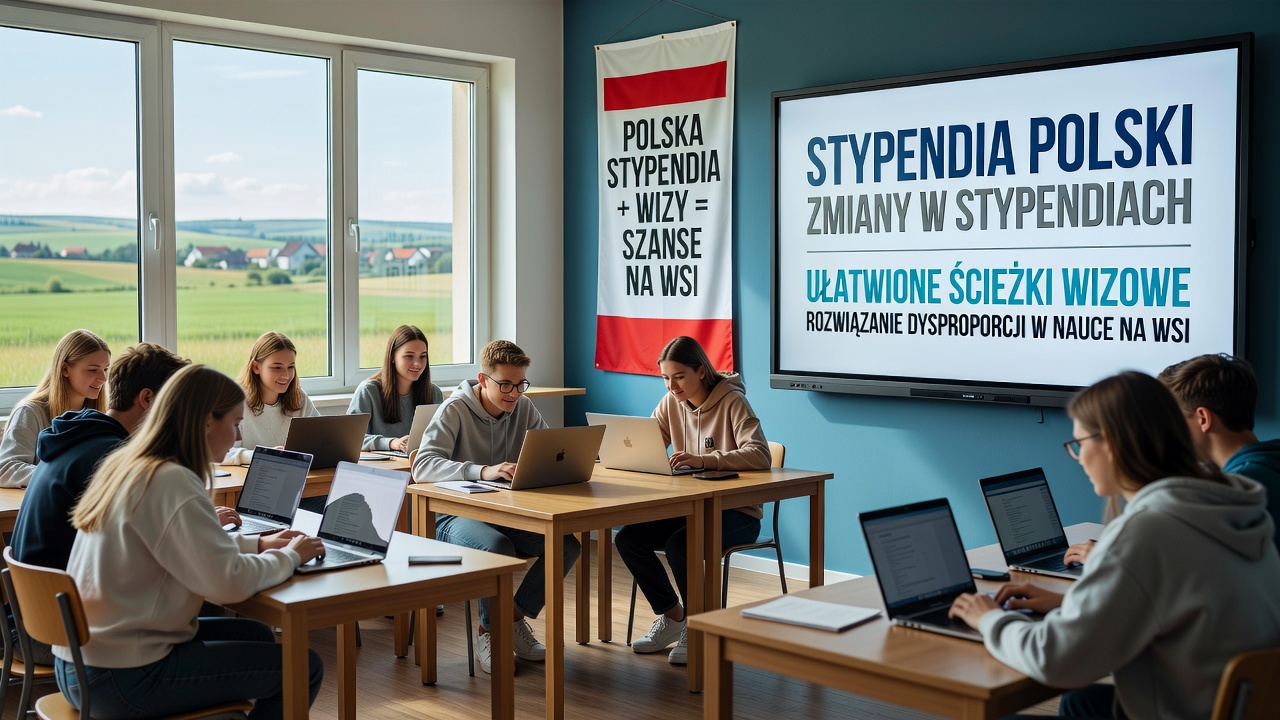
Polish authorities have introduced modifications to national scholarship frameworks that coincide with streamlined visa procedures, and these adjustments focus on students and educators connected to countryside communities where access to advanced learning resources remains limited. Data from the Ministry of Education and Science shows that enrollment rates in higher education from rural districts have trailed urban figures by approximately 18 percent in recent years, prompting coordinated policy responses that combine financial support with mobility incentives.
Updated Scholarship Structures Target Specific Regional Needs
Allocations under the revised National Scholarship Programme now direct a larger share of funds toward applicants from villages and small towns, and the criteria incorporate geographic indicators such as distance from major universities along with household income thresholds. Figures released in late 2025 indicate that over 12,000 additional awards were designated for rural candidates during the 2025-2026 academic cycle, while eligibility rules expanded to cover vocational training pathways that align with local agricultural and technical economies. Observers note that these changes build on earlier pilot projects conducted in the Podlaskie and Lubelskie voivodeships, where targeted grants correlated with a 7 percent rise in university applications from participating secondary schools.
Institutions administering the funds have adjusted disbursement timelines so that payments begin earlier in the academic year, and this adjustment reduces financial pressure during the initial enrollment period when many rural families face travel and accommodation costs. Research compiled by the Polish Central Statistical Office reveals that transportation expenses alone account for nearly 30 percent of total study-related outlays for students commuting from areas beyond 50 kilometers of campus locations.
Visa Pathways Simplify Entry for Educators and Researchers
Parallel reforms to the visa regime now allow faster processing for foreign academics and trainers who accept positions in rural educational settings, and the updated rules shorten required documentation periods from 90 days to 45 days for approved institutional sponsors. The Ministry of the Interior and Administration has coordinated these modifications with the scholarship updates so that international specialists can arrive in time for the start of the 2026 winter semester. According to records from the Office for Foreigners, applications from education-sector workers increased by 22 percent in the first quarter following the procedural changes.
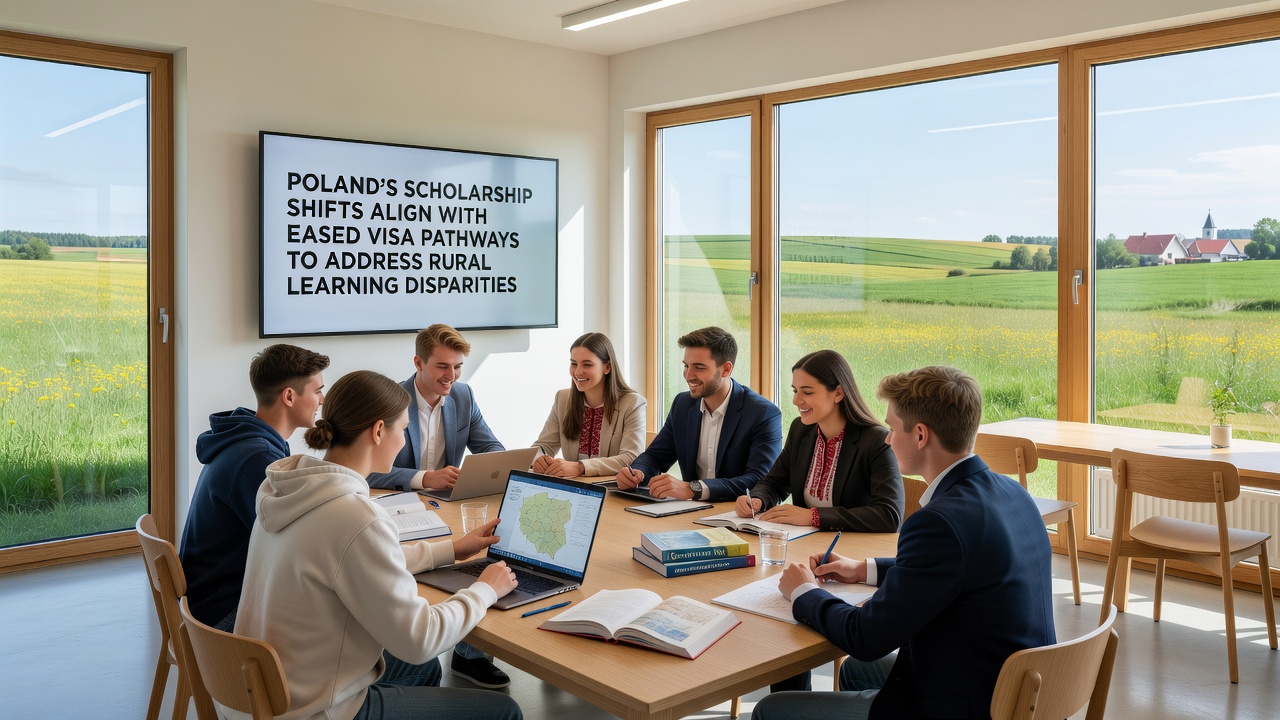
These eased pathways apply particularly to candidates in science, technology, and language instruction fields where rural schools report persistent staffing shortages. One initiative pairs incoming specialists with regional universities that administer mentorship components funded through the scholarship programme, and participants receive multi-year residence permits tied to ongoing teaching commitments in designated counties. Data shared by the European Commission's education monitoring unit indicates that similar mobility measures in other member states have produced measurable gains in subject-specific performance scores within two years of implementation.
Implementation Timeline and November 2026 Milestones
Rollout of the combined measures continues through 2026, with full operational status scheduled for November 2026 when the next round of scholarship applications opens alongside expanded visa categories. Preparatory work includes updated application portals that integrate eligibility checks for both funding and entry permits, and regional information sessions have already reached more than 150 secondary schools across five voivodeships. Officials expect the synchronized system to reduce administrative overlap and allow applicants to receive combined decisions on funding and mobility status within a single review cycle.
Monitoring frameworks established by the National Agency for Academic Exchange will track participation rates, completion metrics, and post-study employment outcomes, and preliminary benchmarks call for a 15 percent increase in rural-origin graduates entering STEM fields by 2028. Partnerships with local governments supply supplementary housing support that complements the national scholarship amounts, and this layered approach addresses one of the documented barriers identified in earlier surveys of countryside applicants.
Broader Context and Supporting Data Sources
Comparative analyses from the OECD Education at a Glance series place Poland among countries that have expanded equity-focused funding instruments in the past decade, while visa facilitation examples from Canadian provincial programs show parallel strategies for attracting educators to remote districts. Polish policymakers have referenced these international patterns when calibrating the current adjustments, and the resulting framework integrates financial aid with regulatory relief rather than treating them as isolated interventions.
Early indicators collected through the 2025 intake suggest higher application volumes from previously underrepresented districts, and administrators continue to refine outreach materials to ensure that information reaches families without regular internet access. The November 2026 checkpoint will provide the first comprehensive dataset on whether the aligned policies produce sustained shifts in enrollment and retention patterns across rural Poland.
Conclusion
The convergence of scholarship recalibrations and visa streamlining represents a structured response to documented disparities in educational opportunity, and ongoing evaluation will determine how effectively the measures close participation gaps. Continued data collection through established government channels will inform any subsequent refinements scheduled after the 2026 implementation phase.