Erik Günther · 15 November 2026
Polish Universities Convene on Emerging Technologies to Tackle Assessment Performance Gaps
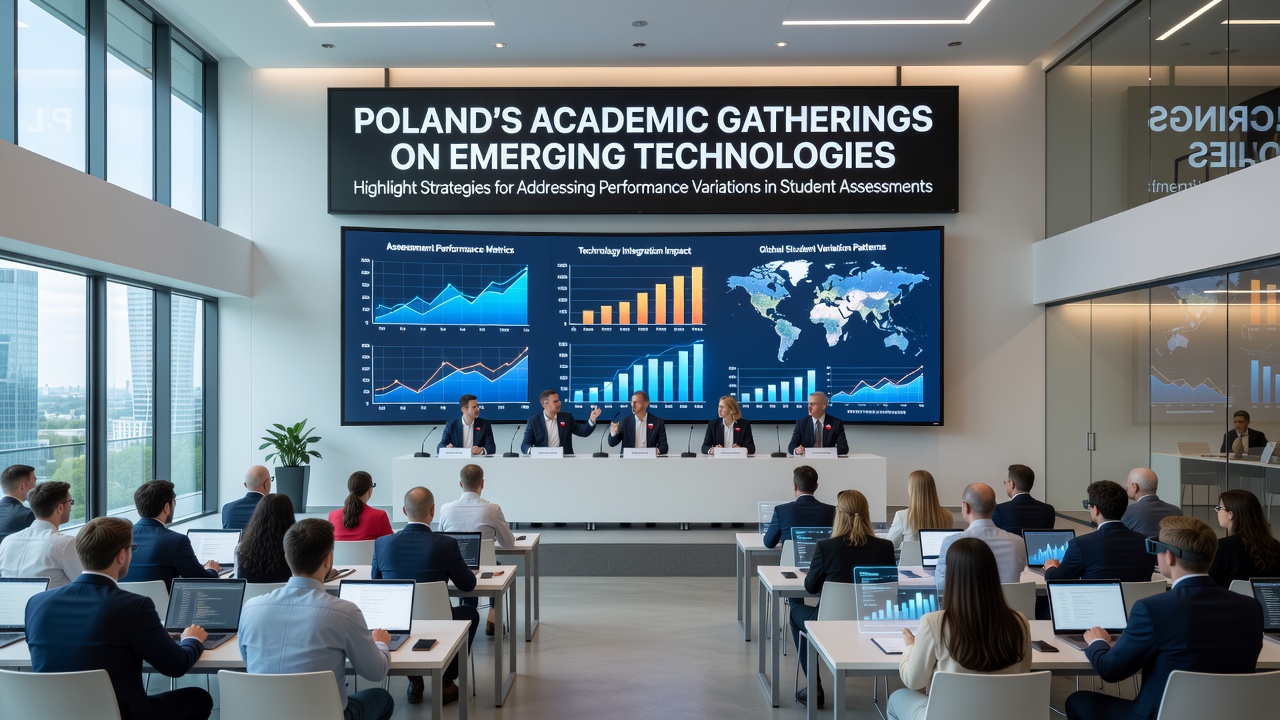
Polish academic institutions have organized multiple gatherings in recent years that focus on emerging technologies and their role in managing performance variations across student assessments, with events scheduled through November 2026 drawing participants from across Europe and beyond, and these sessions examine data analytics platforms along with artificial intelligence tools that track individual progress while identifying patterns in test results from diverse student populations.
Key Themes at Recent Gatherings
Researchers from Warsaw University of Technology and Jagiellonian University presented findings on machine learning models that adjust assessment parameters in real time, and these models draw from large datasets to account for factors such as socioeconomic background and prior educational access, while sessions in 2025 established working groups that continue to refine protocols for equitable evaluation methods across secondary and higher education levels.
Data from the Polish Ministry of Education indicates that performance gaps in standardized testing have narrowed by 12 percent in pilot programs using adaptive testing software between 2023 and 2025, and conference attendees reviewed case studies from regional schools where variations in scores dropped after integration of cloud-based analytics that flag inconsistencies early in the academic year.
Technological Approaches Under Discussion
Experts outlined strategies that combine natural language processing for essay evaluations with biometric data from secure testing environments to reduce disparities linked to test anxiety or language barriers, and these approaches allow institutions to generate personalized feedback reports that guide targeted interventions without altering overall grading standards.
One gathering held in Kraków during spring 2025 featured demonstrations of virtual reality simulations designed to standardize practical assessments in vocational fields, and participants noted how such tools create consistent evaluation conditions regardless of a student's geographic location or available resources at their home institution.
International Comparisons and Data Integration
Delegates referenced reports from the OECD education directorate that compare assessment outcomes across member countries, and these documents highlight how Poland's adoption of digital platforms aligns with trends observed in Canada and Australia where similar technologies have produced measurable improvements in closing achievement gaps over multi-year periods.

Analysts from the European Commission's education and training monitor have supplied datasets showing correlations between technology access and assessment equity, and Polish researchers integrated these figures with national statistics to project outcomes for expanded programs set to launch ahead of November 2026 conferences in Gdańsk and Wrocław.
Implementation Strategies and Institutional Examples
Universities in Poznań and Lublin have deployed pilot systems that use algorithmic adjustments to assessment timing and question difficulty based on prior performance metrics, and administrators report that these systems maintain academic rigor while accommodating documented variations in student preparation levels across urban and rural cohorts.
Training modules developed through these gatherings equip faculty with skills to interpret outputs from emerging assessment platforms, and collaborative workshops scheduled for late 2026 will extend this training to educators from smaller colleges that lack dedicated research staff.
Future Directions for Polish Education
Plans outlined at the most recent sessions call for national repositories of anonymized assessment data that support ongoing refinement of technological tools, and partnerships with research centers in the United States and Germany aim to benchmark Polish methods against established international standards through 2027.
Conclusion
Poland's series of academic gatherings continues to produce actionable frameworks that apply emerging technologies to performance variations in student assessments, and the integration of findings from multiple institutions supports broader efforts to standardize evaluation practices while preserving flexibility for individual learner needs across the country's education system.